In today’s digital world, being online is no longer optional — it is essential. From students attending online classes to employees working remotely, everyone relies on the internet daily. However, with increasing connectivity, cyber threats are also rising. Understanding cybersecurity basics is the first step to protecting yourself from hackers, scams, and data theft.
In this guide, you will learn how to stay safe online, common cyber risks, and practical tips you can apply right away.
Why Cybersecurity Matters
Every time you connect to the internet, your personal data — such as emails, passwords, and even financial details — can become a target. Recent real-life cyber attacks show that hackers don’t just target companies; they also target students, employees, and common people.
Therefore, building cybersecurity awareness is no longer a choice but a necessity.
Common Online Threats You Should Know
To understand how to stay safe online, you first need to recognize common threats:
Phishing Emails – Fake emails designed to steal your information.
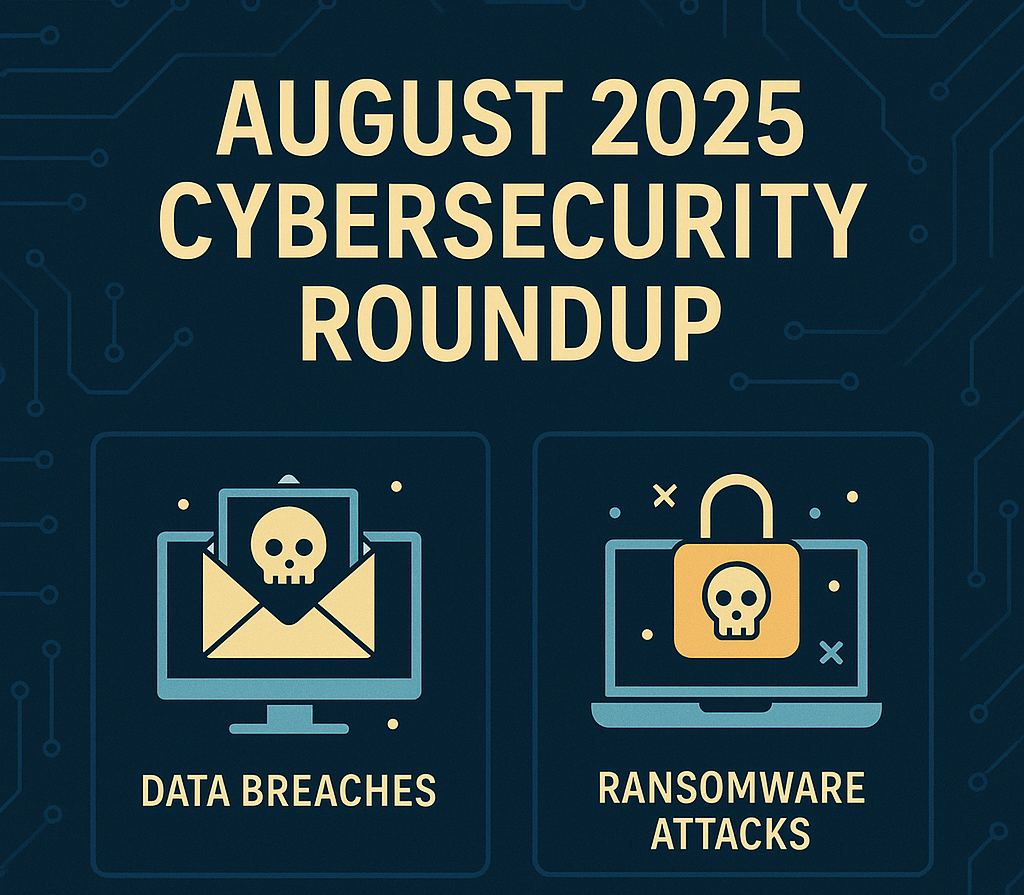
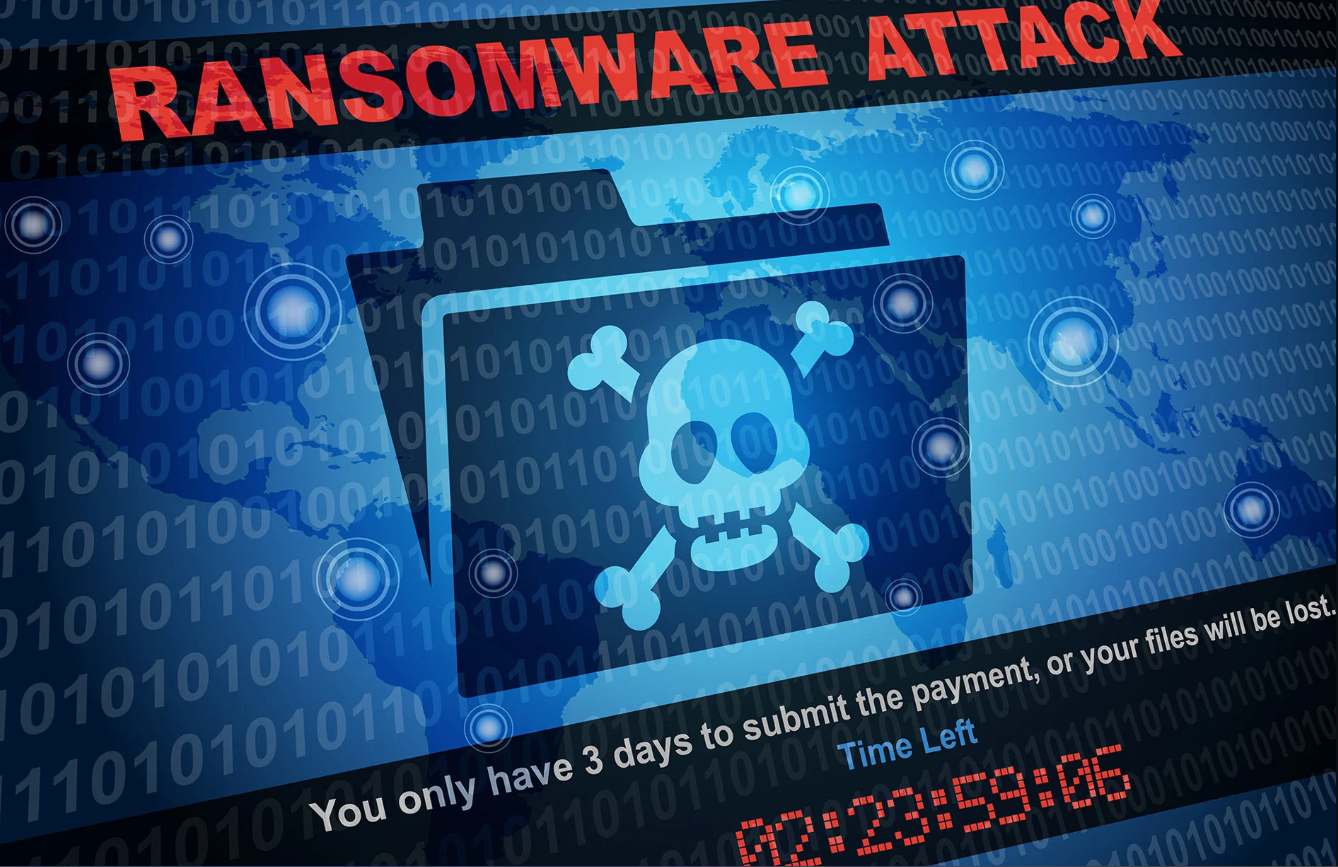
Ransomware Attacks – Malicious software that locks your files until you pay.
Weak Passwords – Easy-to-guess credentials that allow hackers quick access.
Public Wi-Fi Risks – Hackers can spy on your activity in unsecured networks.
Malicious Links & Attachments – Clicking them can install malware.
As you can see, these cyber risks affect both beginners and professionals alike.
10 Cybersecurity Basics to Stay Safe Online
Here are the most effective cybersecurity tips for beginners and employees:
Use Strong, Unique Passwords – Combine uppercase, lowercase, numbers, and symbols.
Enable Two-Factor Authentication (2FA) – Adds an extra layer of protection.
Keep Software Updated – Regular updates fix security flaws.
Beware of Phishing Emails – Always check the sender’s address.
Avoid Public Wi-Fi for Banking – Use a VPN for online security instead.
Install Antivirus & Firewalls – Basic defenses against malware.
Backup Your Data Regularly – Protects you from ransomware.
Don’t Overshare on Social Media – Hackers use your personal info for scams.
Use Secure Websites (HTTPS) – Always check the lock symbol in your browser.
Stay Updated on Cybersecurity Awareness – Read trusted blogs and news.
Cybersecurity for Students and Employees
For Students: Hackers often target students through free software downloads or phishing emails pretending to be from universities. Always verify before clicking.
For Employees: Following corporate cybersecurity tips like strong passwords and avoiding suspicious attachments can prevent costly data breaches.
Transitioning from students to professionals, it is clear that cybersecurity awareness applies to everyone.
Educational Impact of Cybersecurity Awareness
Teachers and academic institutions can integrate cybersecurity education into the curriculum. Not only does this help students, but it also builds a culture of safe digital practices for the future workforce.
Final Thoughts
In conclusion, cybersecurity basics are essential for anyone using the internet. Whether you are a student, employee, or simply a regular user, applying these simple cybersecurity tips for staying safe online can protect your personal and professional data.
Remember, the internet will always have risks, but with the right awareness, you can stay ahead of hackers.